How to Start a Hat Brand: A Manufacturer’s Guide
From sketch to shelf—what every founder should know before working with a factory.
Starting a hat brand is exciting. You have designs in your head, a name picked out, maybe even a logo. But then comes the hard part: finding a factory that won’t let you down.
Will they understand your design? Will the quality be consistent? Will they disappear after the first order?
We’ve been manufacturing hats for over 33 years. We’ve worked with global best-sellers, Japanese retail giants, and first-time founders who started with just a sketch on paper.This guide walks you through exactly how the process works—from your first idea to a finished product ready for sale.
Step 1: From Sketch to Sample—What You Need Before Contacting a Factory
You don’t need a perfect technical drawing. You don’t need CAD files. You don’t even need to know all the industry terms.
What you do need:
- A clear reference point—a rough sketch, a photo of a hat you like, or even a written description
- A sense of the basics—hat type (baseball cap, fedora, straw hat), preferred material, target price range
- An open mind—your first sample will rarely be perfect, and that’s completely normal
Once you share your idea with a factory, the sampling phase begins. A typical first sample takes 7 to 15 days, depending on complexity. You’ll review it, give feedback, and request adjustments. Going back and forth two or three times is standard practice—it means the factory is listening.
The most important thing at this stage is communication. If a factory responds slowly or vaguely during sampling, that’s a red flag for what production will be like later.
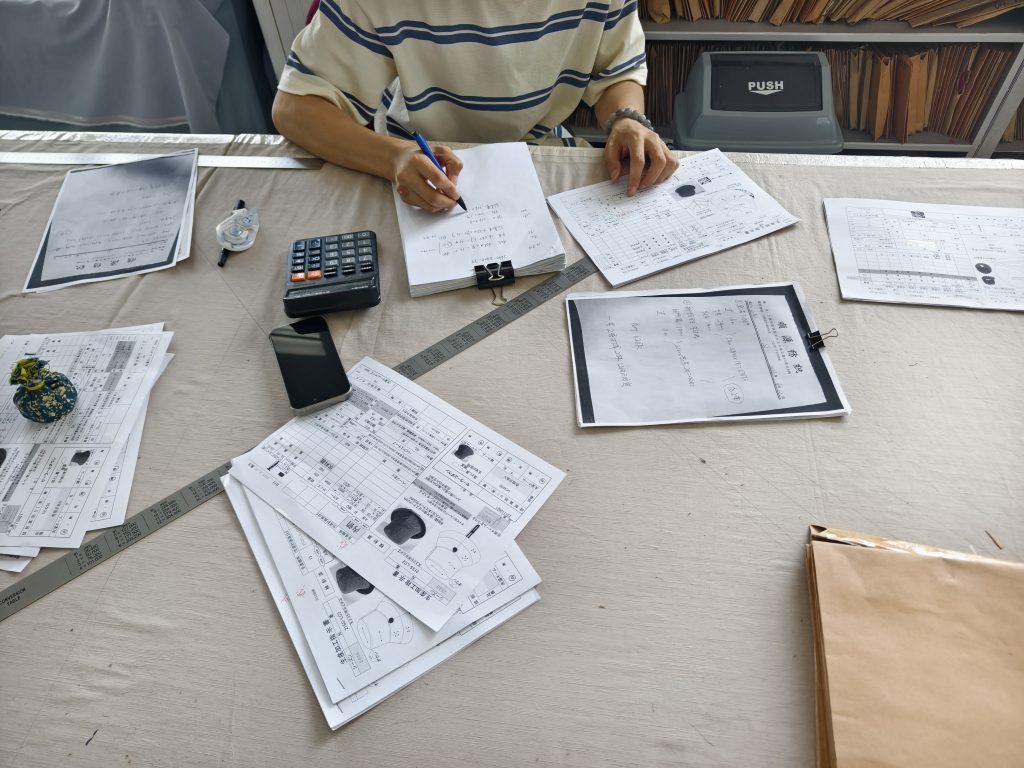
Step 2: Choosing the Right Manufacturer Is More Important Than Your First Design
Here’s something most new brand owners don’t realize: your first design will probably change. Your factory, ideally, won’t.
When evaluating a hat manufacturer, look beyond the quoted price. Four things matter more:
- Quality control systems—Do they have a documented, repeatable inspection process?
- Existing pattern library—A factory with hundreds of proven patterns can save you weeks of development time and reduce sampling costs.
- Minimum order quantity (MOQ)—Can they support a small test run, or do they demand 5,000 units upfront?
- Communication—Can you speak directly to someone in English who actually understands production?
We keep over 200 original patterns in our library and support low MOQ orders. Many of our brand partners started with just 200 to 300 pieces for their first run. That’s how you test the market without betting your entire budget.
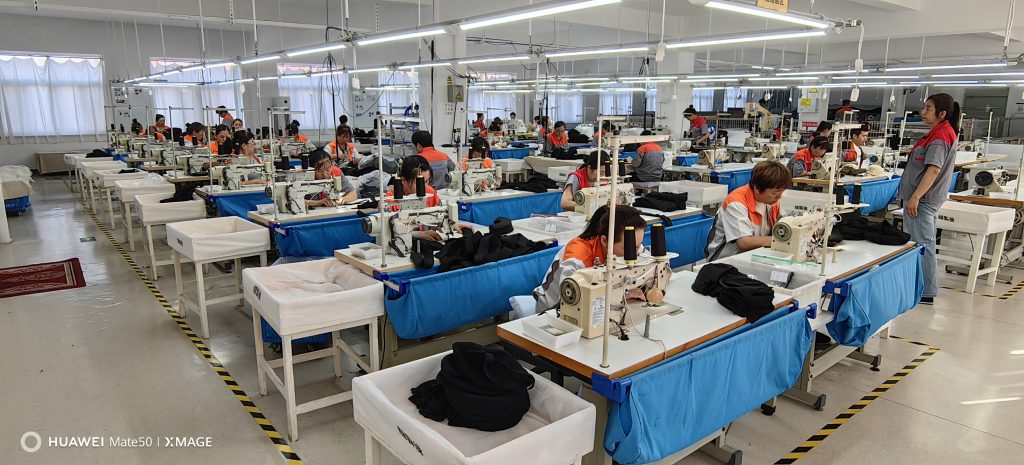
Step 3: What Happens Inside the Factory—Quality Control You Should Expect
A hat looks simple. A good hat isn’t.
Here are the production steps that separate a reliable factory from a risky one:
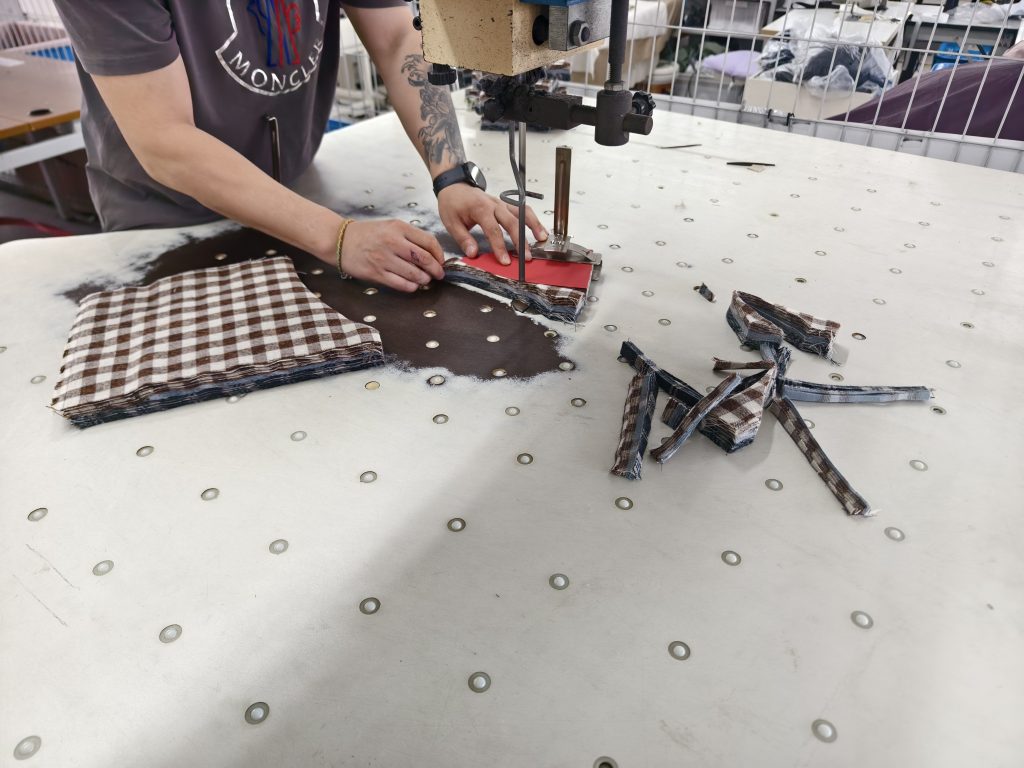
Cutting and Sewing
Every fabric panel is cut precisely against the pattern. A deviation of even a few millimetres changes how the hat sits on the head. Stitch density matters too—too loose and the hat loses shape after a few wears; too tight and the fabric puckers.
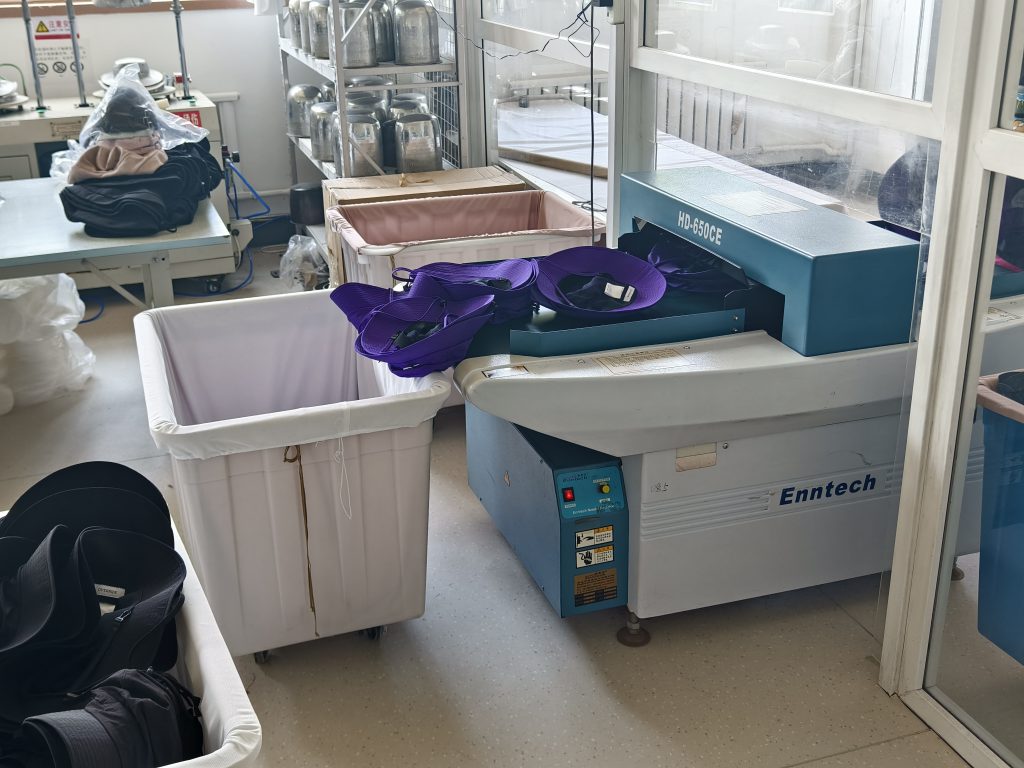
Metal Detection—The Step Most People Never Think About
This is one of the most overlooked quality checks in hat manufacturing, and one of the most important.
During production, sewing machine needles occasionally break. If a broken needle fragment ends up inside a hat and ships to a customer, it’s not just a quality issue—it’s a safety issue.
Every hat we produce passes through a metal detection check before packing. No exceptions. For the Australian market, where consumer safety standards are strict, this step should be non-negotiable in any factory you work with.
Shaping, Finishing, and Packing
After sewing, the hat goes through final shaping and pressing. This is what gives a fedora its clean crown or a baseball cap its structured front panel. Then comes a final visual inspection before packing.
Packing matters more than most people think. Hats travelling by sea or air need protection against pressure, moisture, and rough handling. A factory that cares about quality will pack like they know the journey ahead.
Step 4: From Approved Sample to Bulk Production
Once you approve the final sample, the factory will seal it as the “golden sample”—the reference standard for your entire production run.
Before bulk production begins, confirm:
- Delivery timeline
- Fabric sources and color matching
- Packing method and labelling
During production, a good factory will send progress photos if you ask. Mid-production inspection is also standard practice for new partnerships.
Typical production time runs 30 to 45 days, depending on order size and complexity. Custom materials or special trims may extend this—your factory should tell you upfront.
Two Things Every Hat Brand Founder Should Know
After three decades in this industry, we’ve watched hundreds of brands launch. The ones that succeed tend to do two things differently:
1. Keep Your First Collection Small
Don’t launch with ten styles. Launch with one or two core designs and do them exceptionally well. A focused collection is easier to produce, easier to quality-control, and easier to market. You can always expand once you know what sells.
2. Invest in Repeatable Styles, Not Just Trends
Trend-driven hats can work for a season, but classic shapes with good materials will generate repeat orders for years. If your budget is limited, put it behind styles that can be reordered, not one-season wonders.
Ready to Start Your Hat Brand?
We’ve been the manufacturer behind Japan’s No.1 best-selling hat on Rakuten and a trusted OEM partner of MUJI. But we also work with first-time founders who start with nothing more than a sketch and a vision.
Whether you’re planning your first sample or looking to switch to a more reliable production partner, we’re ready to talk.
Contact us today—let’s bring your design to life.