Hidden Pitfalls When Sourcing Custom OEM Hats & How To Avoid Them
Sourcing custom‑made headwear from overseas factories sounds straightforward on paper. You send over artwork, confirm a price, and wait for your shipment. However, many importers and brand owners run into unexpected problems that damage product quality, delay launch timelines and eat into profit margins.
Drawing on 33‑years of headwear manufacturing experience serving Japan, Australia‑New Zealand, the US and EU markets, this article breaks down commonly hidden risks and practical checks you can apply before placing your bulk order.
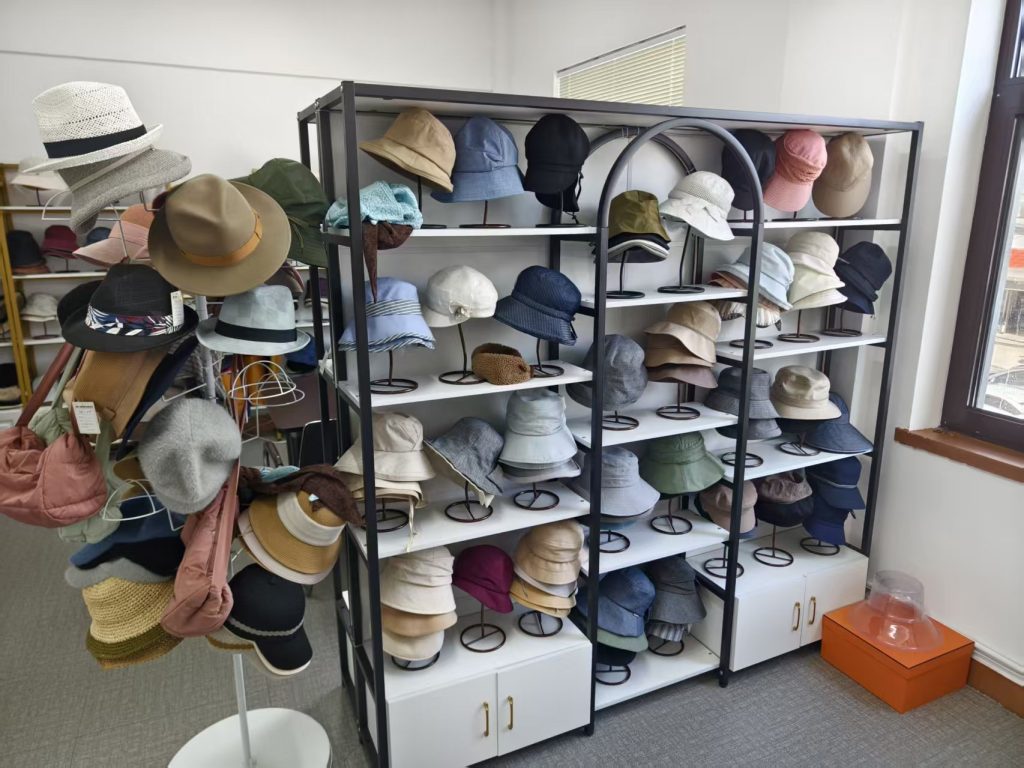
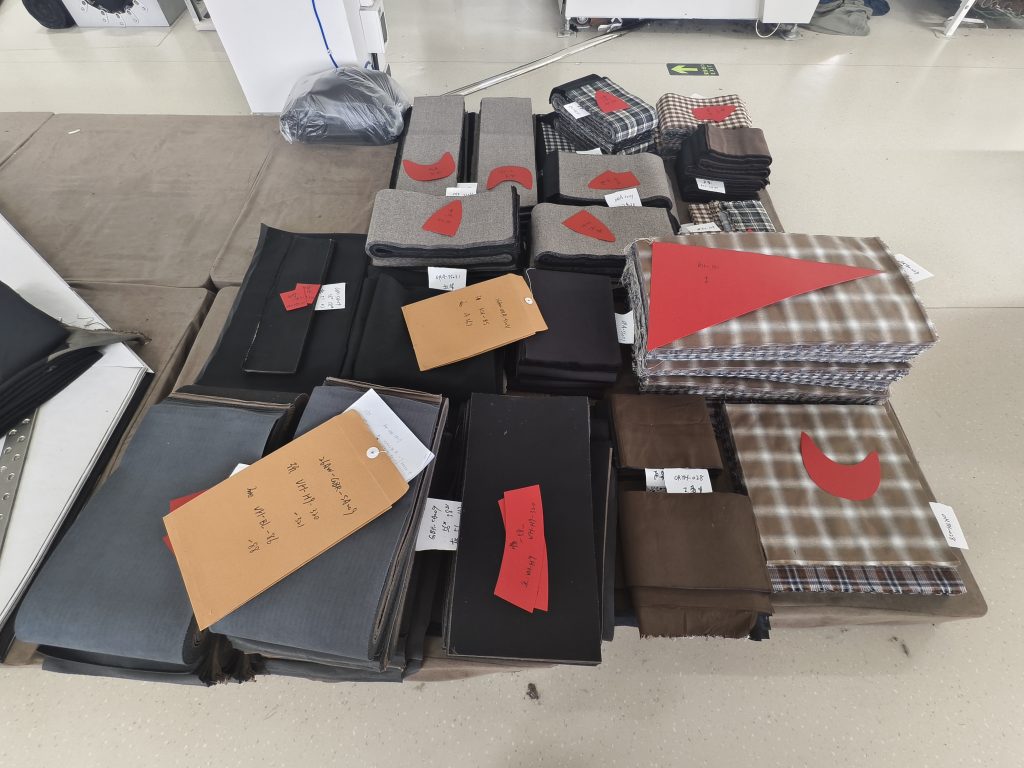
Fabric‑related risks: Sample fabric vs bulk‑order fabric
One of the most frequent complaints from overseas buyers is fabric inconsistency between pre‑production sample and mass production.
Some factories use premium‑grade fabric for sampling to win your order, then switch to cheaper alternative fabric for bulk production without clear notification. Differences can show in fabric weight, texture, colour fastness, shrinkage rate and hand feel.
This risk is especially critical for corduroy, canvas, twill and special‑finish fabrics widely used in modern headwear. Different regional markets also hold different fabric requirements: Japanese clients pay high attention to washing‑performance; EU and US markets enforce strict chemical‑safety standards for textiles; Australian retailers focus on colour‑fastness under strong sunlight.
Practical solutions:
- Request fabric swatch seals together with your golden sample;
- Clearly write fabric composition, weight and finishing requirements within your purchasing contract;
- Arrange pre‑shipment inspection to cross‑verify bulk‑production fabric against sealed swatches.
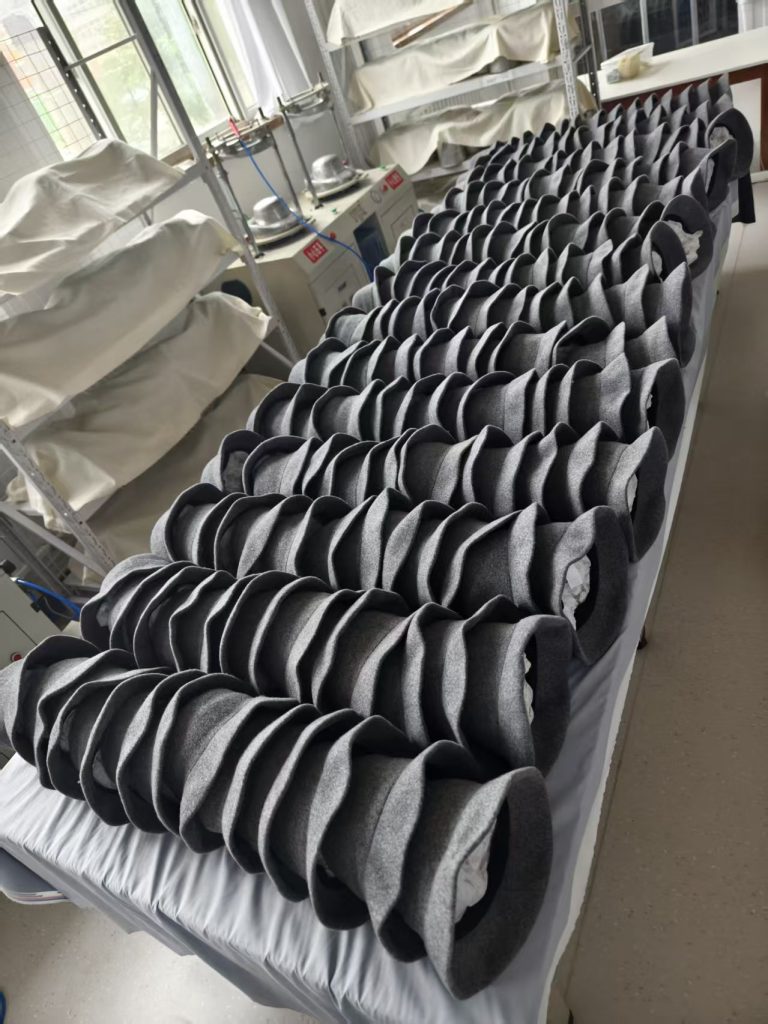
Sampling risk: Beautiful sample cannot be reproduced in mass production
A perfect‑looking pre‑production sample does not always mean the factory can replicate the same effect for hundreds or thousands of pieces.
Complex embroidery, special rubber prints, embossing and irregular‑shape hat structures may look flawless on one‑off sample. Yet during high‑volume mass‑production, machine parameters, worker operation and raw‑material batches will create deviations.
Many new buyers only check the appearance of samples. They ignore testing performance such as embroidery firmness, print rubbing resistance and fabric shrinkage. These defects will only emerge after customers start wearing and washing the hats.
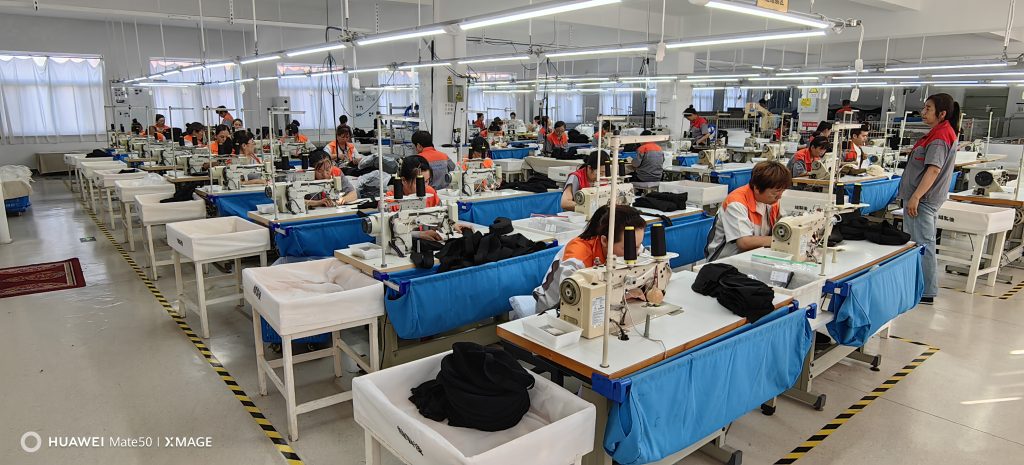
MOQ & lead‑time traps: Verbal promises vs real‑world capacity
Many manufacturers give attractive MOQ and delivery‑time promises at the quotation stage to win business. After you confirm the order, they push up minimum quantities or postpone delivery for various reasons.
Small‑batch custom orders are easily delayed when large‑volume orders occupy all production lines. If your goods are prepared for seasonal retail sales, any delay will directly make you miss your best selling window.
Before confirming cooperation, clarify these points in writing:
- What is the exact lead‑time under your current production schedule?
- What will happen if bulk goods are delayed, is there any corresponding solution?
- Whether small‑batch orders will be deprioritised behind big clients.
Inspection standard: What “finished‑goods inspection” really means
Almost every factory will tell you they carry out full‑product inspection. But inspection standards vary hugely from factory to factory.
Some factories only do superficial visual checks for obvious stains and broken stitches. They skip functional checks such as metal‑detecting, size measurement, embroidery firmness and accessory stability.
For different target markets, inspection focus should shift:
- Japan: strict requirements on dirt, tiny blemishes and accessory safety;
- EU & US: textile chemical index and label compliance;
- Australia & New Zealand: metal‑detect safety and sunlight colour‑fastness.
You can clearly communicate your market‑orient inspection requirements to your manufacturer before production starts. Third‑party inspection is also an available option for high‑value orders.
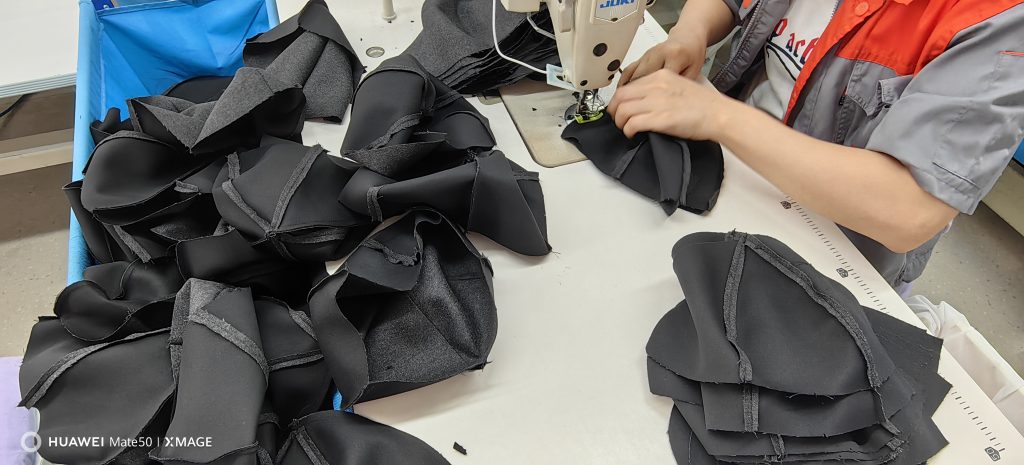
Communication gap for cross‑border OEM cooperation
Misunderstanding happens frequently across time zones and language barriers. Simple yes‑or‑no replies do not always mean your requirement is fully understood.
Artwork files, size specs, packing requirements, hang‑tag details:all critical details should be confirmed in writing, not only via voice call or instant‑message chat.
Many unpleasant disputes can be avoided if every revised detail gets written confirmation.
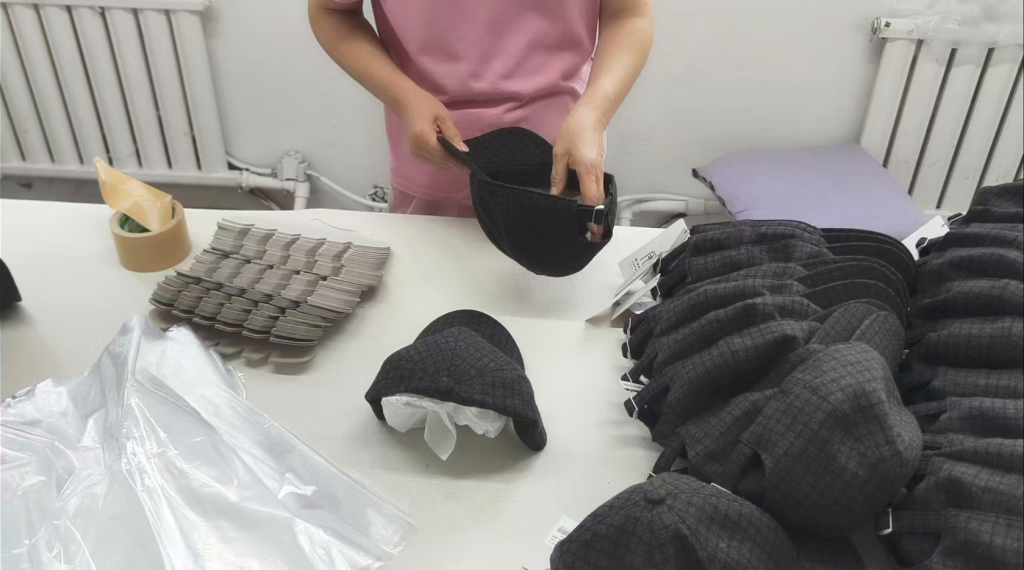
Final thoughts
Custom hat OEM is not only about price. Stable fabric performance, repeatable craftsmanship, transparent communication and market‑orient quality standards decide whether your project succeeds.
We support custom‑headwear OEM & ODM for brands, importers and wholesalers across Japan, Australia‑New Zealand, United States and European Union. We offer sealed fabric swatches, clear sampling‑and‑bulk‑order workflows, and follow market‑specific quality standards for different export destinations.
If you are comparing hat‑manufacturing partners and want to avoid common sourcing mistakes, feel free to send us your specification for a consultation.
Contact us to discuss your custom‑headwear project.